We’ve officially made it through the winter season, 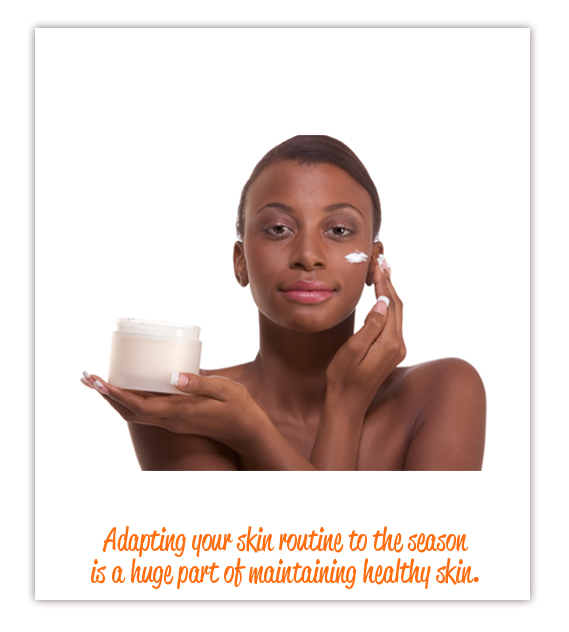 and are heading right into the thick of spring. For a lot of us, winter can be one of the toughest times of the year on our skin. You may not realize it, but adapting your skin care routine to the season is a huge facet in the maintenance of beautiful, healthy skin. I’ve been working in the aesthetics field for almost 6 years, and I love to advise my clients on the importance of knowing their skin type and how to care for it.
In general, your skin type is categorized into four basic varieties: normal, dry, oily, or combination. With a little bit of research and attention to any symptoms you may notice, you should be able to figure out what your skin type is (if you don’t already know). And if you can’t seem to figure it out, or just want the advice of an expert, you can always come to see someone like me (more on this later)!
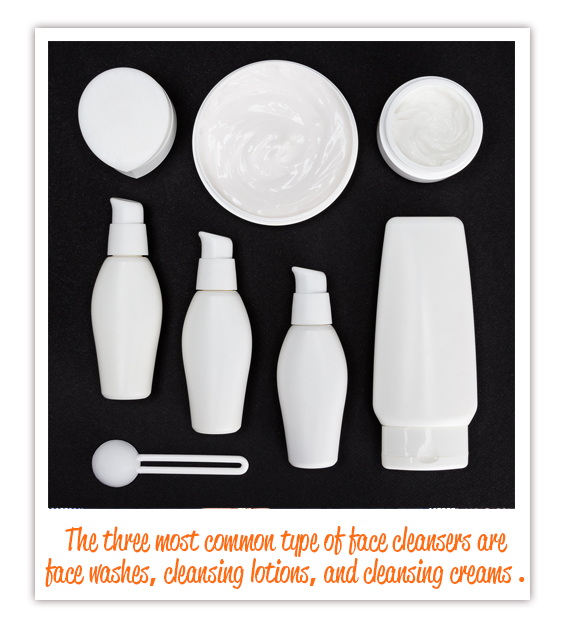
With that said, I highly recommend adjusting your skin care routine each season. As the weather changes, skin can either become dryer or produce more oil, and adjusting products that you use can help combat these issues considerably. How you cleanse your face is the foundation for proper skin care, and ideally, the pH level of skin should be a 5, depending on the type. Different products can alter the pH level of skin and have beneficial as well as adverse effects, which makes this particular detail worth paying close attention to. In terms of washing, you have quite a few options at your disposal, but the three most common types of facial cleansers are face washes, cleansing lotions, and cleansing creams.
A face wash is a detergent-type foaming cleanser with a neutral or slightly acidic pH. A face wash can (and should) leave your skin with a sort of “squeaky clean” feeling. It can also leave the skin feeling very tight and dry. I typically recommend a facial wash to clients with oilier skin that may be prone to acne. This type of cleanser should be used twice daily and followed with the use of a lightweight, oil-free moisturizer. Contrary to many folks’ face-cleansing regimen, I do not recommend soap, as it can leave a film on the skin and is an alkaline which can cause dryness.
A cleansing lotion is a water-based emulsifier for normal and combination skin. Cleansing lotion has a heavier, creamier texture to help break down makeup and other debris. In the summertime when my skin gets a little oilier, I prefer to use cleansing lotion to help balance the oilier and dryer areas of my skin.

A cleansing cream is also an oil-based emulsifier that works really well for dry skin or those of us who wear makeup regularly. Ponds’ Cold Cream is a product many of my clients seem to enjoy using; however, please keep in mind that it is not designed for all skin types; those with oily or combination skin types should use this conservatively, or find another alternative. Your cleansing cream should be used twice daily.
 Now that we’ve identified the different types of facial cleansers, how do we select which one is right for you?
Step One: Know your skin type. DO NOT just follow the trends! I’ve noticed that since many companies are creating products geared toward sensitive skin, many of my clients are confused and think they have sensitive skin.
Step Two: Make an appointment to see an esthetician. He or she can perform a skin analysis and tell you what skin type you have. An esthetician can also recommend a portfolio of products based on skin type, and even tailor those recommendations to your budget
Step Three: Read the list of ingredients. Ingredients are very important when you are trying to select the right product. Understand what certain ingredients do to and for your skin to get the results you are looking for. As a rule of thumb, try to avoid products that contain a large amount of alcohol (also known as ethanol). Too much alcohol is bad for any skin type; however, when combined with the right ingredients, may be helpful for some skin types when used sparingly.
Overall, helping your skin look its very best means updating your skin care routine every season and investing in the right products. It may take some time to develop the right routine – but protecting the skin and preventing the signs of aging make the effort worthwhile!