Curly hair is known for its unique texture and beauty, but it also comes with its own set of challenges, including issues like breakage and shedding. Many people mistakenly use these terms interchangeably, but they are two distinct concerns that require different approaches for care and management. In this article, we’ll explore how to identify breakage and shedding in curly hair and provide tips on how to address each issue effectively.
Shedding:
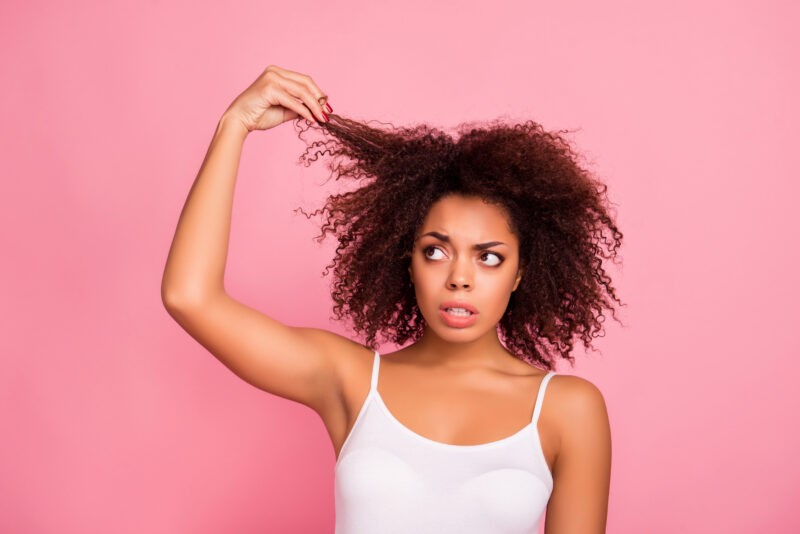
Shedding is a natural and normal process for all hair types, including curly hair. It refers to the natural release of hair from the scalp as part of the hair growth cycle. On average, a person can shed anywhere from 50 to 100 hairs per day. Shed hairs typically have a white bulb at the root, which indicates that they have naturally fallen out.
Causes of Shedding:
Hair Growth Cycle: Hair goes through a growth cycle with three phases: anagen (growth), catagen (transitional), and telogen (resting). Shedding occurs during the telogen phase when old hairs are released to make way for new ones.
Hormonal Changes: Hormonal fluctuations, such as those that occur during pregnancy, postpartum, or menopause, can affect the shedding cycle.
Nutritional Deficiencies: A lack of essential nutrients like iron or biotin can contribute to increased shedding.
Stress: High levels of stress can disrupt the normal hair growth cycle, leading to increased shedding.
Medical Conditions: Certain medical conditions, medications, or treatments like chemotherapy can also impact hair shedding.
Managing Shedding:
While shedding is a natural process, excessive or sudden shedding may be a cause for concern. To manage shedding, consider the following tips:
Maintain a Balanced Diet: Ensure you’re getting the necessary nutrients for healthy hair growth, such as biotin, iron, and protein.
Manage Stress: Practice stress-reduction techniques like meditation, yoga, or exercise to help balance hormones.
Consult a Healthcare Professional: If you suspect a medical condition is causing excessive shedding, seek advice from a healthcare provider.
Breakage:
Breakage occurs when individual hair strands snap or break along their length. Unlike shedding, which involves hair naturally falling out from the root, breakage involves damage to the hair shaft itself. Breakage often presents as shorter, uneven strands of hair with no visible white bulbs at the ends.
Causes of Breakage:
Over-Manipulation: Excessive combing, brushing, or styling of curly hair can lead to breakage, as curly hair is more fragile when dry.
Chemical Damage: The use of harsh chemicals, such as relaxers or bleach, can weaken the hair’s structure and lead to breakage.
Heat Styling: Frequent use of hot styling tools without proper heat protection can cause heat damage, resulting in breakage.
Tight Hairstyles: Styles that pull on the hair, like tight ponytails or braids, can lead to breakage along the hairline or where the hair is stressed.
Lack of Moisture: Curly hair is prone to dryness, and inadequate moisture can make it more susceptible to breakage.
Managing Breakage:
To prevent and manage breakage in curly hair, follow these guidelines:
Gentle Handling: Be gentle when detangling and styling your hair, especially when it’s dry. Use a wide-tooth comb or your fingers to minimize breakage.
Avoid Overuse of Heat: Limit the use of heat styling tools and always use a heat protectant when necessary.
Moisturize Regularly: Keep your hair well-moisturized with hydrating products like leave-in conditioners, creams, oils, and deep conditioning treatments.
Protective Styles: Consider protective styles that minimize manipulation and reduce the risk of breakage.
In conclusion, understanding the difference between shedding and breakage in curly hair is crucial for effective hair care. Shedding is a natural process, while breakage is often caused by external factors. By identifying the root causes and implementing the appropriate care strategies, you can maintain healthy curls that are less prone to these common issues.