Curly hair is unique and requires special care to maintain its health and vitality. Among the many factors that contribute to curly hair care, the use of oils stands out as a crucial aspect. However, not all oils are created equal, especially when it comes to understanding the difference between moisturizing oils and sealants. Let’s delve into the nuances of these two categories and how they play distinct roles in curly hair maintenance.
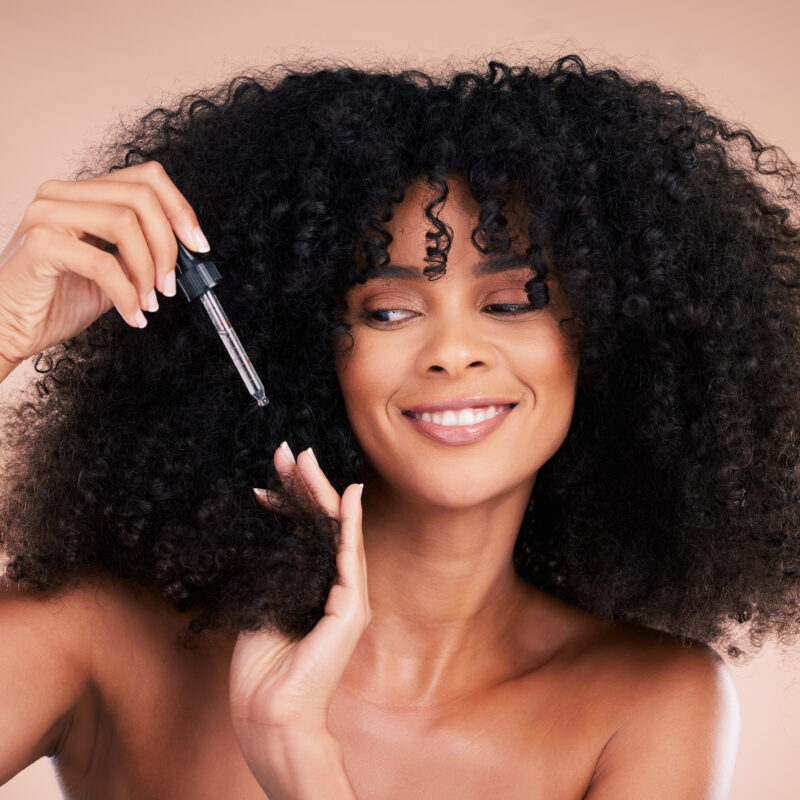
Understanding Curly Hair Dynamics:
Curly hair tends to be drier than straight hair due to its spiral structure. The natural oils produced by the scalp have a harder time traveling down the twists and turns of curly strands, leading to dryness, frizz, and potential breakage. Therefore, moisturizing and sealing in moisture become essential steps in curly hair care routines.
Moisturizing Oils:
Moisturizing oils are lightweight oils that penetrate the hair shaft, nourishing it from within. These oils are rich in fatty acids and nutrients that help hydrate and soften the hair. Common moisturizing oils include coconut oil, olive oil, avocado oil, and argan oil.
One of the key characteristics of moisturizing oils is their ability to be absorbed by the hair shaft, thereby replenishing lost moisture and improving elasticity. When applied correctly, moisturizing oils can help combat dryness, reduce frizz, and enhance the overall health of curly hair.
Oils That Seal in Moisture:
Sealing oils, on the other hand, function differently from moisturizing oils. These oils create a protective barrier on the outer layer of the hair, preventing moisture from escaping. While moisturizing oils focus on hydrating the hair from within, sealants lock in the moisture already present in the hair shaft.
Common sealants include heavier oils such as castor oil and jojoba oil. These oils are thicker in consistency and work effectively to seal the hair cuticle, resulting in smoother, more manageable curls.
Choosing the Right Oil for Your Hair:
Selecting the appropriate oil for your curly hair depends on various factors, including hair porosity, texture, and individual preferences. Low porosity hair, which has difficulty absorbing moisture, may benefit from lightweight moisturizing oils like argan oil or grapeseed oil.
On the other hand, high porosity hair, which tends to lose moisture quickly, may require heavier sealants like jojoba or castor oil to lock in hydration and prevent dryness.
Incorporating Oils Into Your Hair Care Routine:
To maximize the benefits of oils for curly hair, it’s essential to integrate them into a consistent hair care routine. Start by applying a small amount of moisturizing oil to damp or dry hair, focusing on the mid-lengths and ends. For sealants, use them sparingly to avoid weighing down the hair, concentrating on the outer layer to seal in moisture.
Experiment with different oils and observe how your hair responds to each one. Keep in mind that a little goes a long way, and it may take some trial and error to find the perfect balance for your curls.
Moisturizing oils and sealants play distinct yet complementary roles in curly hair care. While moisturizing oils hydrate the hair from within, sealants lock in moisture and protect against environmental stressors. By understanding the differences between these two types of oils and incorporating them into your hair care routine accordingly, you can achieve healthier curls.